
New Delhi, June 30, 2026 : The approval of the Delhi Electric Vehicle (EV) Policy 2026, is a forward-looking policy initiative that can accelerate the transition towards sustainable urban mobility while strengthening investment, manufacturing and innovation across India’s electric mobility ecosystem.
The policy introduces fiscal incentives for electric vehicles, exemptions from road tax and registration charges for eligible vehicles, scrappage incentives for older vehicles, a significant expansion of charging infrastructure, and a phased transition towards electric mobility across various vehicle categories. The government has also announced a proposed investment of around ₹15,000 crore to support the development of the EV ecosystem during the policy period.
“The Policy reinforces the role of clean mobility as a key driver of Delhi’s future economic growth and sustainable urban development. By providing greater policy certainty, it is expected to improve the investment climate, accelerate innovation in electric mobility technologies, expand domestic manufacturing, and create employment across the EV ecosystem. At the national level, the Policy aligns with India’s broader objective of strengthening globally competitive manufacturing through the Make in India initiative”, said Rajeev Juneja, President, PHDCCI.
The policy extends well beyond promoting electric vehicle adoption and has the potential to stimulate investments across multiple sectors, including battery manufacturing, charging infrastructure, renewable energy integration, power distribution, electronics, automotive components, software solutions, fleet management, financing, recycling and circular economy services.
Key Highlights & Provisions
The Delhi EV Policy 2.0 (running through 2030) introduces ambitious subsidies, scrappage benefits, and stricter mandates to promote greener transport.
1. Tax Exemptions: 100% waiver on road tax and registration fees for EVs priced up to ₹30 lakh (ex-showroom).
2. Purchase Subsidies: Incentives of up to ₹30,000 for electric two-wheelers and up to ₹50,000 for three-wheelers.
3. Scrappage Incentives: Up to ₹1 lakh incentive for scrapping old BS-IV or older cars.
4. Deadlines for ICE Vehicles: No petrol motorcycles/scooters can be registered after March 31, 2028, and new CNG auto-rickshaw registrations are set to stop at the end of 2026.
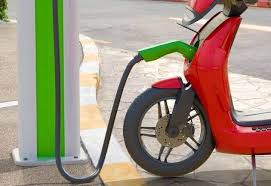
5. Charging Network: Expanded infrastructure mandates that require every EV dealership to host public charging stations.
“The planned expansion of public charging facilities and battery-swapping infrastructure is expected to stimulate investment across multiple segments of the electric mobility ecosystem. Opportunities are likely to emerge for infrastructure developers, private investors, technology firms, and start-ups engaged in EV-related services. As electric vehicle adoption accelerates, demand is also expected to rise for advanced battery technologies, power electronics, semiconductors, charging hardware, digital payment platforms, predictive maintenance applications, and intelligent energy management solutions”, said Dr. Ranjeet Mehta, CEO & Secretary General, PHDCCI.
The policy will deliver important macroeconomic benefits through reduced dependence on imported fossil fuels, lower urban emissions, improved public health outcomes and increased private investment in future-ready industries. The policy is also expected to encourage innovation in electric mobility technologies while supporting India’s commitments towards sustainable development and the transition to a low-carbon economy.
Further, the policy aligns with several national initiatives, including the Production Linked Incentive (PLI) Schemes for the automobile and Advanced Chemistry Cell (ACC) battery sectors, the National Electric Mobility Mission and India’s target of achieving net-zero emissions by 2070. Together, these initiatives can strengthen domestic value addition, enhance supply chain resilience and improve India’s competitiveness in the global EV market.
PHDCCI works closely with policymakers, and industry stakeholders to support effective implementation of the policy and facilitate the development of a robust, competitive and sustainable electric mobility ecosystem that contributes to economic growth, industrial transformation and environmental sustainability.
