
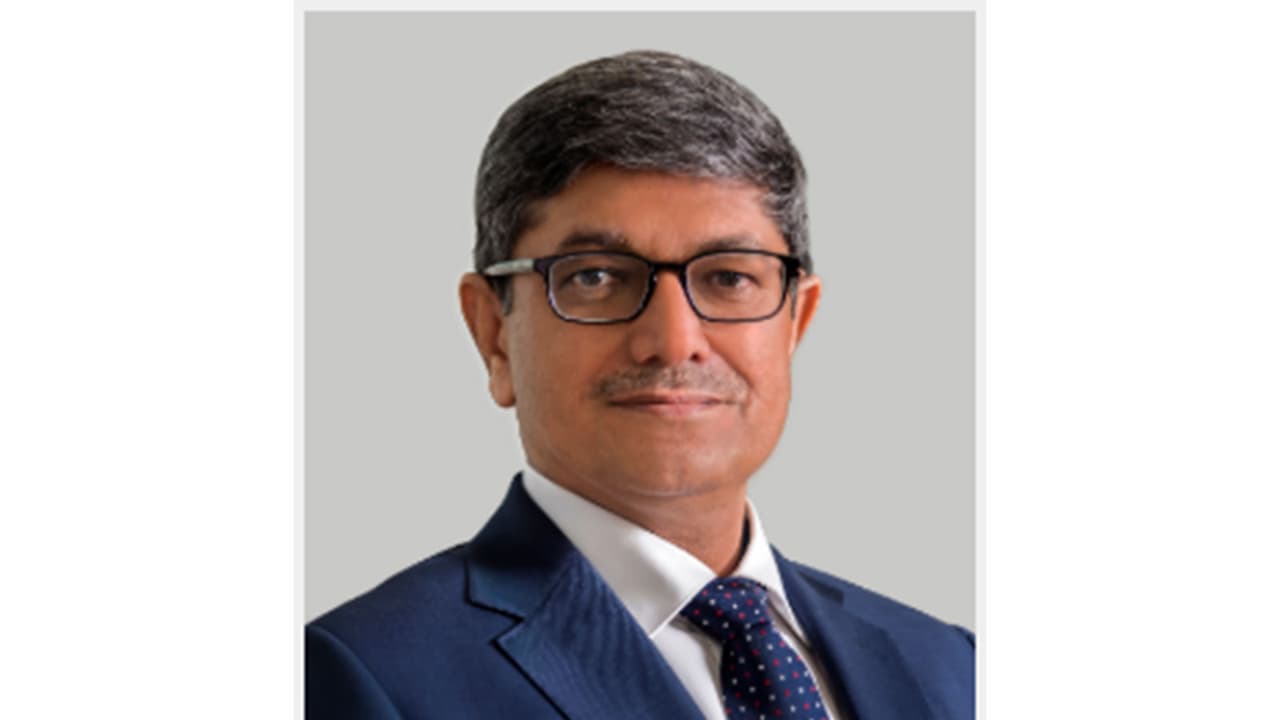
NEW DELHI. NTPC’s Chairman and Managing Director Gurdeep Singh outlined a massive expansion strategy aimed at transforming the power giant into a fully integrated energy player. Backed by a planned cumulative capital expenditure of approximately ₹16.86 lakh crore, NTPC targets an installed power generation capacity of 149 GW by 2032—including 60 GW of renewables—and aims to expand further to 244 GW by 2037.
Addressing shareholders at NTPC’s 50th Annual General Meeting Shri Singh added that this expansion responds to India’s rapidly rising electricity demand, driven by industrial growth, urbanization, electric mobility, and data centers, with peak national demand expected to hit 459 GW by FY36.
The company is pivoting heavily toward non-fossil and nuclear energy alongside its core thermal operations. Having added a record 9.6 GW of capacity in FY26 (with nearly 60% from non-fossil sources) to reach a total installed capacity of 89 GW, NTPC is also pursuing a 30 GW nuclear power target by 2047, beginning with the 2.8 GW Mahi Banswara project in Rajasthan. Financially, NTPC achieved a stellar performance in FY26, reporting its highest-ever consolidated profit after tax of ₹27,546 crore—a 15% increase year-on-year—while maintaining a robust debt-equity ratio of 1.32.
Major Highlights:
- Capacity Targets: Aiming for 149 GW installed capacity by 2032 and 244 GW by 2037.
- Capital Investment: Planned cumulative capex of around ₹16.86 lakh crore across thermal, hydro, renewable, nuclear, and storage assets.
- Renewable Energy Push: Target of building 60 GW of renewable energy capacity by 2032.
- Record FY26 Additions: Added a record 9.6 GW capacity in FY26 (nearly 60% non-fossil), bringing total installed capacity to roughly 89 GW with a pipeline of 35.7 GW.
Nuclear Ambitions:
- Targeting 30 GW of nuclear power capacity by 2047, starting with the 2.8 GW Mahi Banswara project in Rajasthan.
- Record Financial Results: Reported highest-ever consolidated Profit After Tax (PAT) of ₹27,546 crore in FY26 (up 15% YoY).
- Strong Balance Sheet: Improved debt-equity ratio to 1.32 despite higher capital expenditure.
