
Rationalising tariffs – Reducing energy and finance costs – Encouraging domestic consumption – Aligning India’s aluminium strategy with global trends
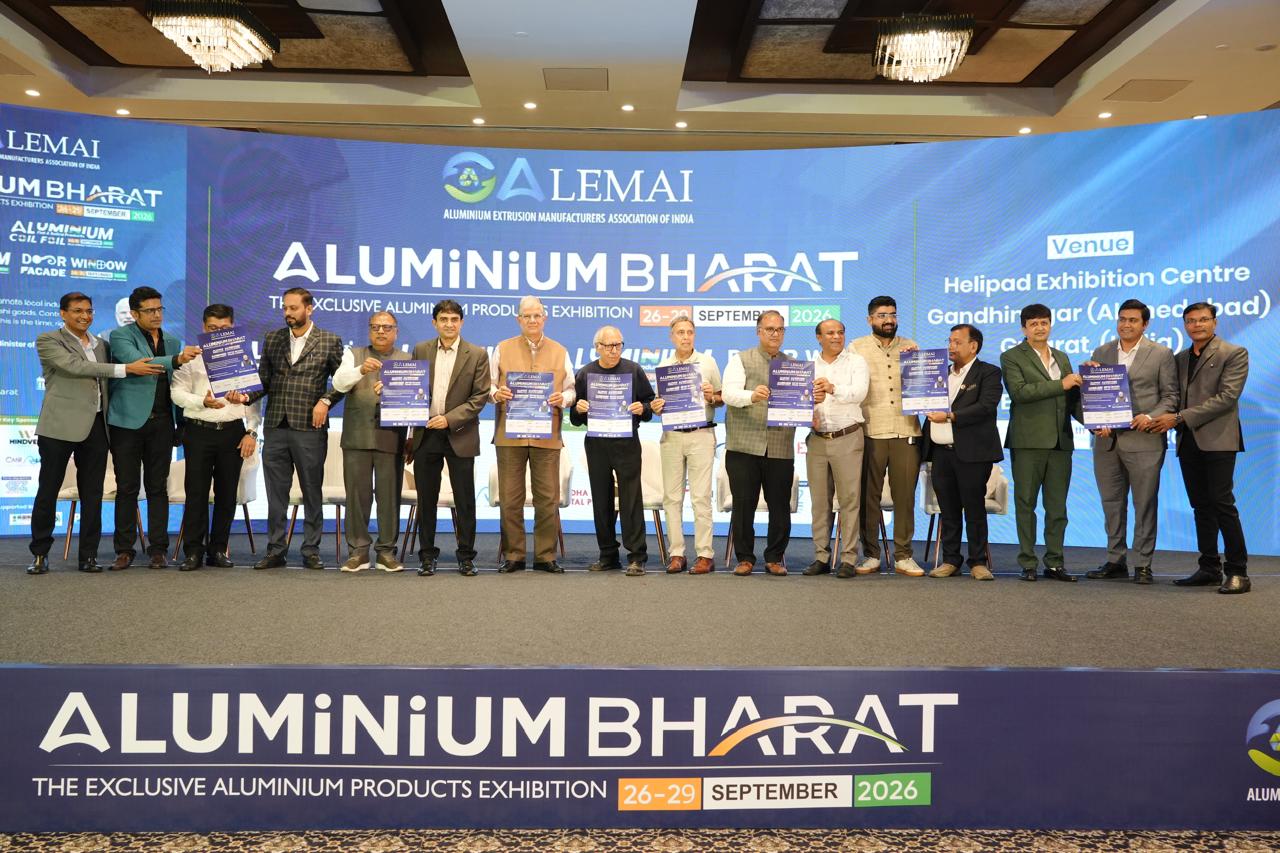
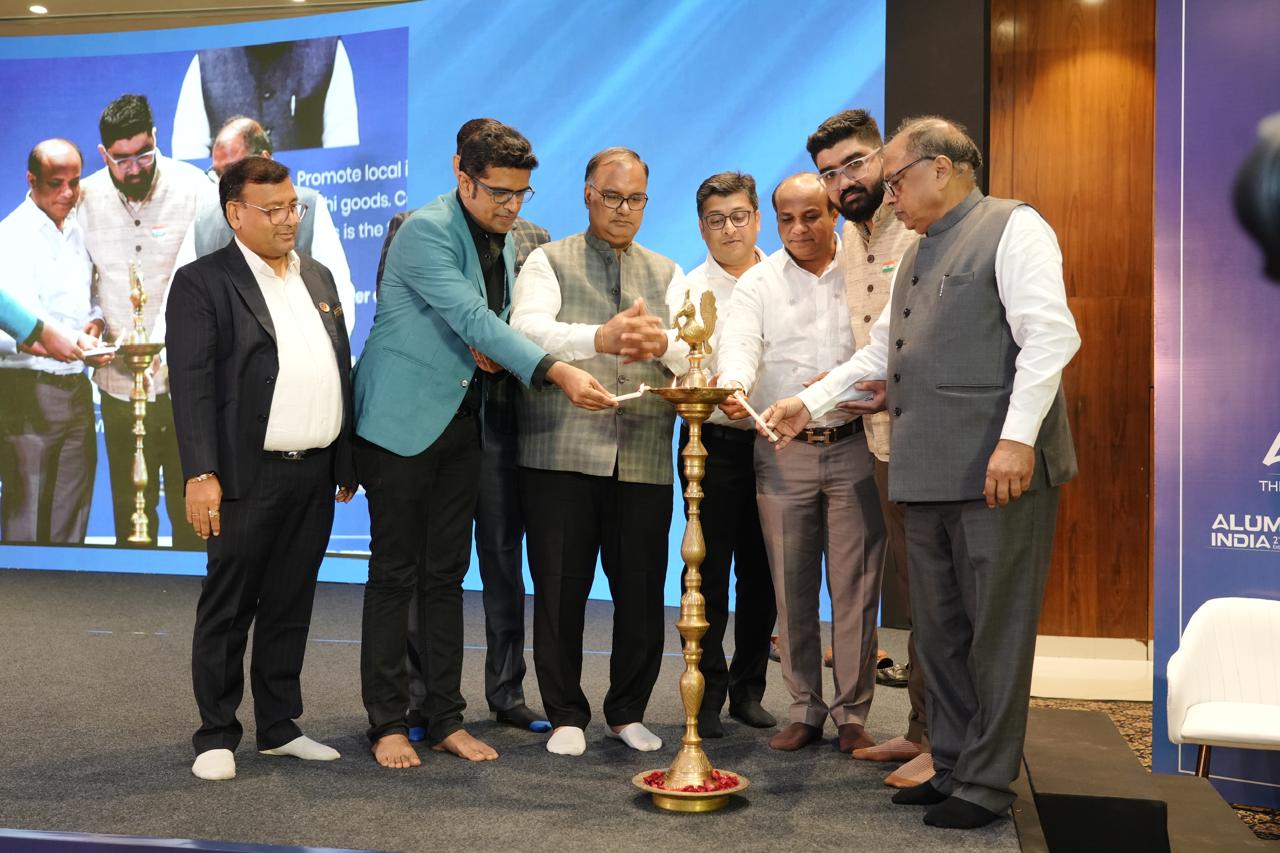
Mumbai, 18 July 2026: The Aluminium Extrusion Manufacturers Association of India (ALEMAI) has announced ‘ALUMINIUM BHARAT‑2026’, a national initiative to strengthen India’s value‑added aluminium midstream and downstream products manufacturing ecosystem and support the Government’s vision of Atmanirbhar Bharat and Viksit Bharat 2047. The Mumbai curtain‑raiser press conference introduces the initiative to industry and media ahead of the flagship exhibition in Gandhinagar.
India possesses abundant bauxite reserves and ranks among the leading alumina‑producing nations, giving it a strong natural advantage in aluminium manufacturing.
Yet, despite this resource base, Indian aluminium manufacturers especially MSMEs are forced to buy primary and secondary raw material at some of the highest prices among major developing economies, driven by high interest costs, elevated energy prices and multiple fiscal levies on inputs.
Against this backdrop, ALUMINIUM BHARAT‑2026, to be held from 26–29 September 2026 at the Helipad Exhibition Centre, Gandhinagar (Ahmedabad), Gujarat, alongside ALUMEX INDIA 2026, is being positioned as India’s first comprehensive platform for the entire aluminium value chain.
The exhibition will bring together primary producers, extrusion and rolling units, recyclers, technology and equipment suppliers, policymakers, financiers and global buyers under one roof to deliberate on reforms, investments and collaborations needed to unlock India’s downstream potential.
Through this initiative, ALEMAI aims to spotlight four urgent priorities for policymakers and industry:
– Rationalising tariffs on primary and raw materials and reviewing FTA‑driven zero‑duty imports of downstream products to restore a level playing field.
-Reducing energy and finance costs to make Indian aluminium MSMEs cost‑competitive globally.
– Encouraging domestic consumption of value‑added aluminium products to fully utilise the country’s 3‑million‑tonne extrusion capacity.
– Aligning India’s aluminium strategy with global trends that favour high‑value downstream exports over commodity‑grade metal.
A key concern for the industry is the tariff and FTA imbalance between raw materials and finished, value‑added aluminium products. Under Free Trade Agreements with ASEAN and other partner countries, including the UAE, a large basket of downstream aluminium products now enter India at zero or near‑zero duty, putting severe pressure on domestic value‑added manufacturers.
At the same time, primary aluminium (HS 7601) attracts a basic customs duty of 7.5% plus surcharge, taking the effective rate above 8%, and similar levies apply on many other raw material categories. This structure makes raw material more expensive in India than in several competing developing economies, while cheap finished products arrive duty‑free creating a serious handicap for Indian midstream and downstream players in both domestic and export markets.
India’s aluminium extrusion industry has an installed capacity of about 3 million tonnes per annum, but is currently producing only 1.2–1.3 million tonnes, with imports of downstream products estimated at around 1.5 million tonnes to bridge the gap. This under‑utilisation of capacity is not due to lack of demand, but to structural issues high raw material costs, tariff distortions, expensive energy, and intense competition from subsidised imports under FTAs.
The situation undermines investments, keeps MSMEs in “survival mode” and prevents India from realising its full potential as a global hub for aluminium value‑added products.
Globally, leading aluminium nations are prioritising downstream value‑addition and exports of finished aluminium products rather than primary metal, using trade and industrial policy to promote high‑value manufacturing. China, for example, has increasingly focused on boosting exports of fabricated and engineered aluminium components, thereby capturing more value and supporting domestic employment and technology development. Indian industry leaders argue that India must follow a similar path shifting the policy lens from commodity exports to value‑added aluminium products and advanced downstream manufacturing.
By launching ALUMINIUM BHARAT‑2026, ALEMAI is calling for a focused, national conversation on how India can convert its rich bauxite and alumina base into globally competitive, value‑added aluminium products, powered by a resilient midstream and downstream manufacturing ecosystem.
