
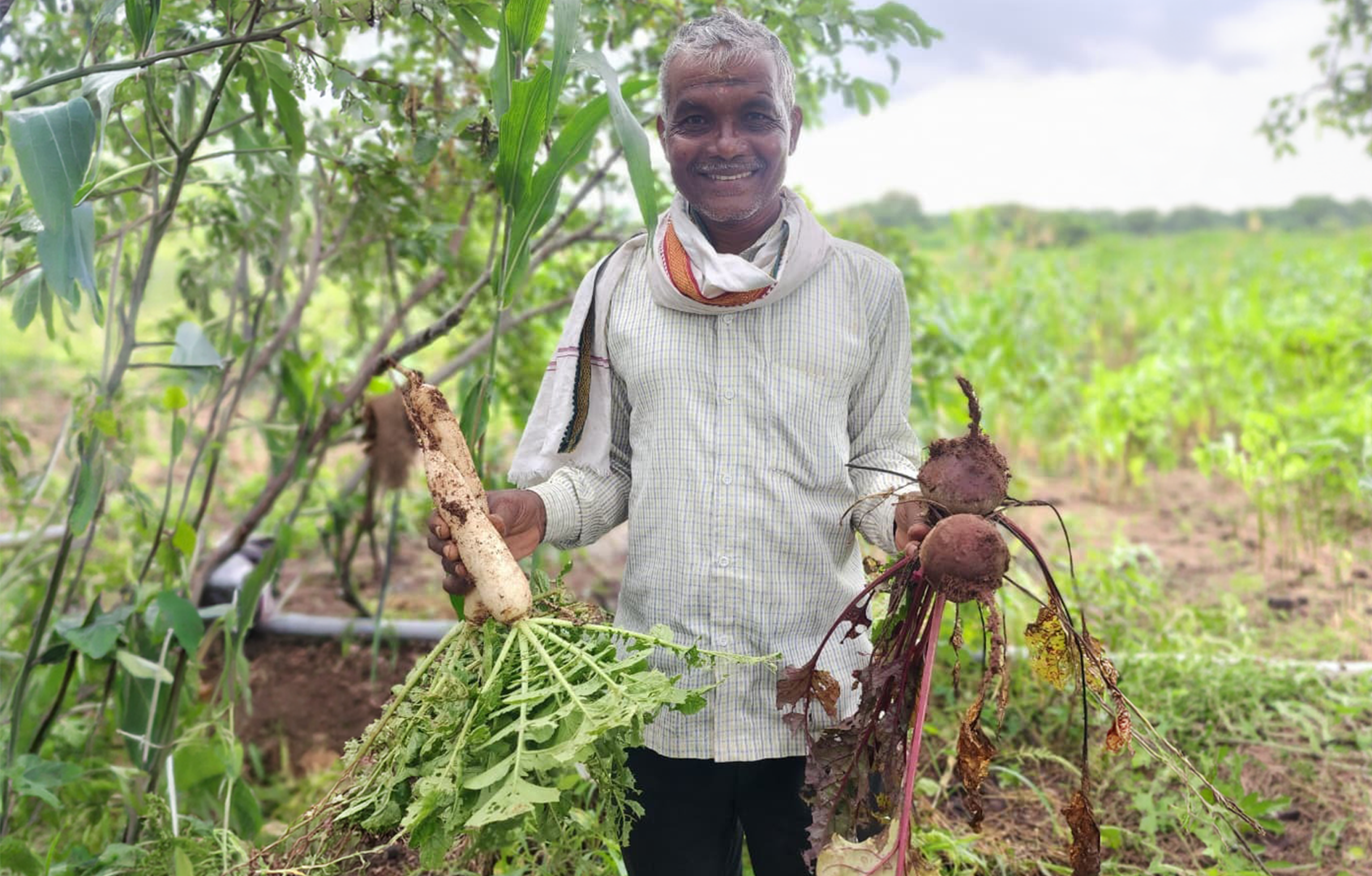
Mumbai, 15th June 2026: A recent study conducted by United Way Mumbai under the India Climate Action Project (ICAP) revealed that regenerative practices boost soil moisture retention capacity by up to 40% and increase overall agriculture productivity. The study also provided a number of other valuable insights into the ecological and economic outcomes associated with regenerative agriculture practices in drought-prone regions of Maharashtra.
Implemented with support from HSBC, ICAP is a three-year action-based research initiative launched in 2024 to generate evidence and knowledge assets that promote climate-responsive and sustainable agricultural practices across India, with a focus on soil health, water conservation, and biodiversity.

The study, titled “Evaluating the Economic Viability of Regenerative Agriculture in Water-Scarce Regions: Evidences from Marathwada”, examined the experiences of farmers adopting regenerative agriculture practices in Dharashiv district, Maharashtra. Beyond assessing ecological indicators, the study explored practical considerations influencing adoption and scalability, including market access, institutional support, and farmer capacity building.
Key observations from the study include:
- Participating farms demonstrated up to a 40% increase in soil moisture retention capacity compared to baseline conditions
- Nearly 59% of surveyed farmers reported improvements in crop yield quality following the adoption of regenerative practices
- Analysis indicated a positive relationship (r = 0.32) between the implementation of regenerative agriculture practices and improvements in ecological health indicators
The study also documented economic benefits reported by participating farmers. Adoption of locally prepared organic inputs such as Jeevamrut and Dashaparni contributed to reductions in cultivation costs, while improvements in soil health and crop resilience helped lower labour requirements and reduce losses from pests and diseases. These findings suggest that regenerative agriculture has the potential to improve farm efficiency while strengthening environmental sustainability in water-stressed regions.
The research further highlights the importance of market linkages, farmer institutions, and capacity-building efforts in supporting the long-term viability and adoption of regenerative agriculture practices. Strengthening collective platforms such as Farmer Producer Organisations (FPOs) can improve farmers’ access to markets and enhance opportunities for value realization.
