
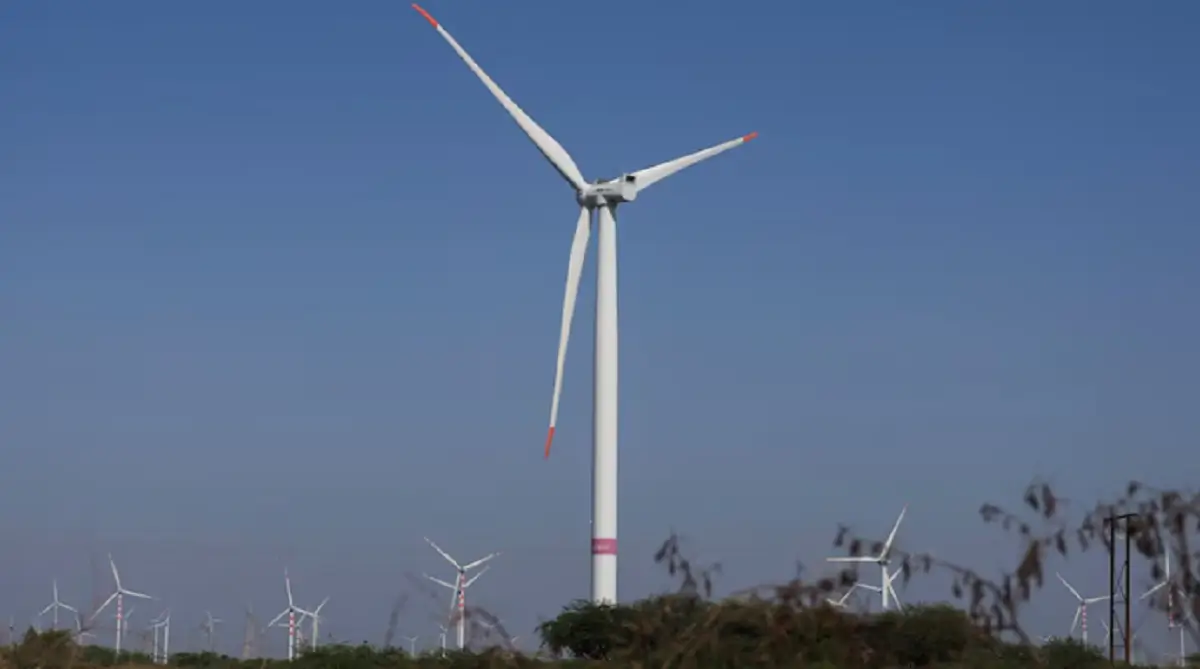
India’s total installed power capacity has reached 5,05,023 MW as of October 31, 2025, marking a significant stride in the country’s energy transition journey. Of this, 2,59,423 MW comes from non-fossil fuel sources, including 2,50,643 MW from renewable energy, and 2,45,600 MW from fossil fuels. The government has implemented various strategic initiatives such as waiving transmission charges for renewable projects, launching competitive bidding guidelines, promoting foreign direct investment, and establishing large-scale solar parks and offshore wind projects, all aimed at reaching the ambitious goal of 500 GW non-fossil energy capacity by 2030. India’s efforts have already resulted in more than half of its electricity capacity being derived from clean energy sources, well ahead of its NDC commitments under the Paris Agreement, exemplifying its dedication to climate action, energy security, and sustainable growth.
India’s diverse energy portfolio is further being strengthened through nuclear power, energy storage, pumped storage projects, and green hydrogen initiatives, with targets to develop 100 GW of nuclear capacity by 2047, 13.22 GWh of battery energy storage, and at least 5 MMT of green hydrogen capacity by 2030. These comprehensive measures aim to ensure a resilient, affordable, and sustainable energy system that supports the country’s goal of achieving net-zero emissions by 2070, while fostering economic development and addressing climate change challenges.
