
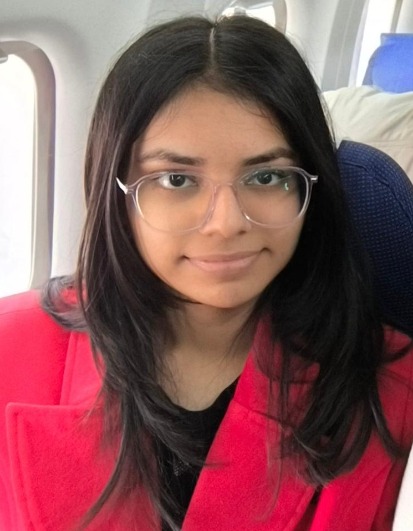
By Ananya Chaudhary
Our growing faith in artificial intelligence may be advancing faster than our willingness to question it. When the internet was flooded with Studio Ghibli-inspired images in 2025, millions marvelled at artificial intelligence’s ability to recreate an artistic world in seconds. Yet, behind this fascination lay an uncomfortable question: when technology can imitate years of human craftsmanship with a simple prompt, are we celebrating creativity or overlooking the people who create it? The controversy revived criticism of Hayao Miyazaki, Studio Ghibli’s co-founder, who condemned AI-generated animation in 2016 as “an insult to life itself”. What took artists years to develop could now be imitated almost instantly, often without a meaningful discussion about consent or compensation.
India should not view this as a distant controversy concerning Japanese animation. We need only look towards Mithila in Bihar, where Madhubani painting has been sustained across generations, particularly by women artists. Its intricate patterns, vivid colours and motifs drawn from nature, mythology and everyday life are not merely decorative conventions. They carry inherited knowledge, regional identity and the labour of communities that have kept the tradition alive. Imagine an AI-generated Madhubani-inspired image receiving millions of views while the artists whose heritage informs its appearance remain unknown. The image may popularise the art form, but does popularity necessarily benefit its practitioners? If the world learns to recognise Madhubani patterns without recognising Madhubani artists, have we preserved the tradition or merely extracted its aesthetic?
The distinction matters. India’s cultural memory lives not only in monuments and manuscripts but also in dialects, oral histories, folk songs and expressions passed between generations. When an AI system translates a regional expression into standard Hindi or English, it may communicate the literal meaning while losing the humour, social context or emotion embedded within it. A language is not simply a collection of words to be processed; it is a way of understanding the world. If technology preserves the vocabulary but erases the worldview, what exactly has it preserved?
There is also a danger in confusing imitation with understanding. A machine may reproduce the appearance of a tradition without experiencing the rituals, histories and relationships that give it meaning. The result can look authentic while remaining detached from the lives that made it meaningful. As AI becomes more convincing, the burden increasingly falls on us to distinguish between a representation of culture and an engagement with culture itself.
India must therefore approach AI-led cultural preservation with more than enthusiasm. Documentation must go hand in hand with attribution, meaningful consent, fair recognition and opportunities for traditional artists to benefit. A civilisation’s heritage is not preserved merely because its past survives on a server. It survives when its people retain the power to understand, practise and redefine it.
If our traditions survive as algorithms while the communities that created them become invisible, have we preserved our cultural memory or simply taught machines to imitate its remains?
Ananya Chaudhary is a B.Tech student at VIT Vellore.
